Login
Login Register
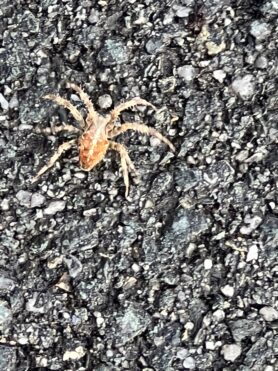
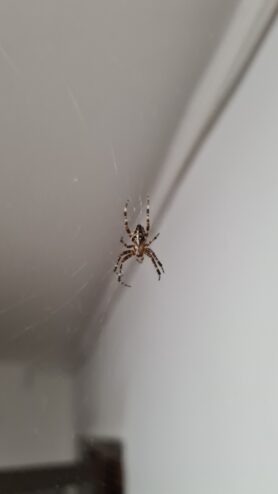
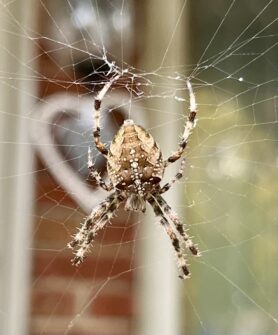
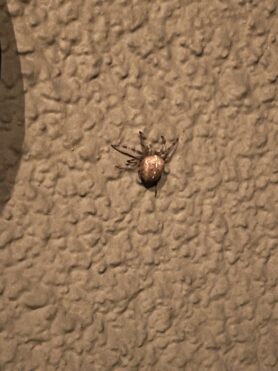
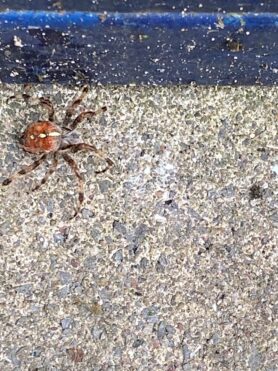
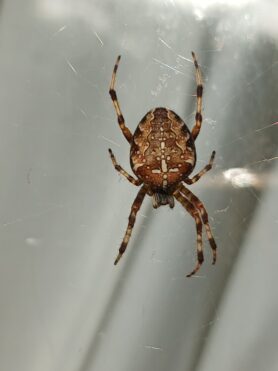
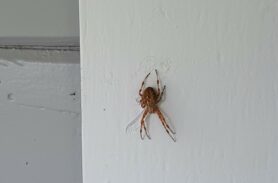
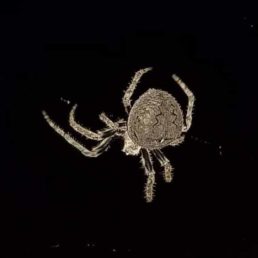
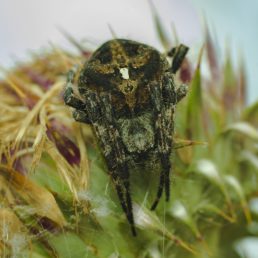
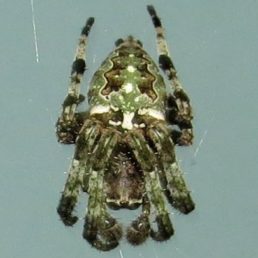
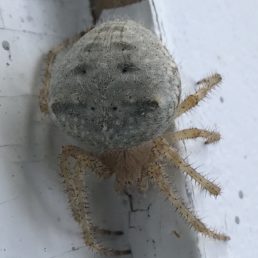
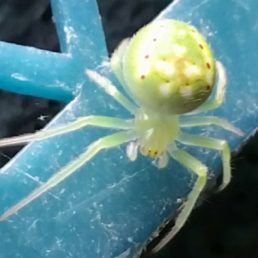
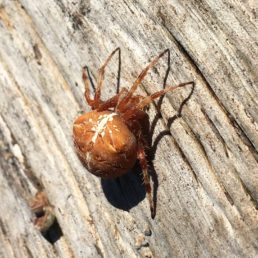
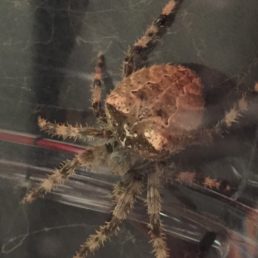
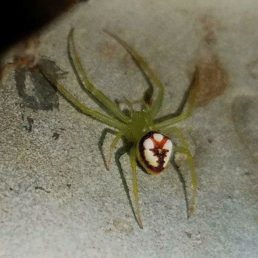
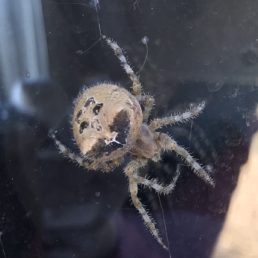
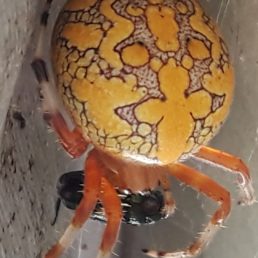
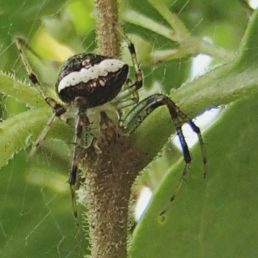
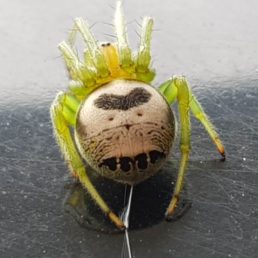
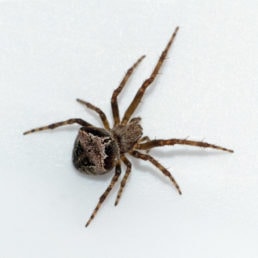
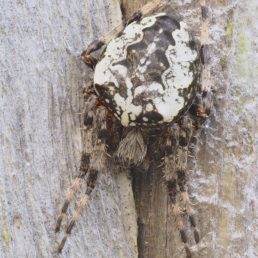
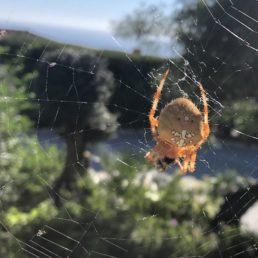
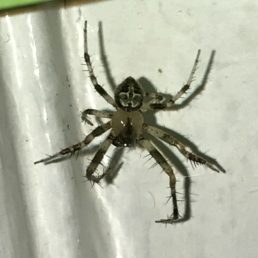
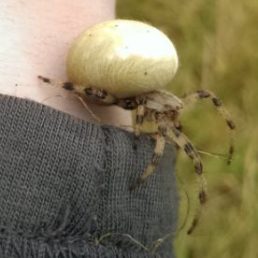
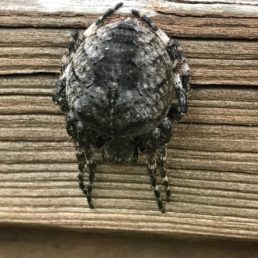
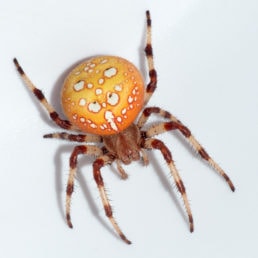
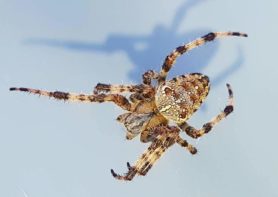 The spider species Araneus diadematus, commonly known as Cross Orb-weaver, belongs to the genus Araneus, in the family Araneidae. Araneus diadematus spiders have been sighted
 Taxonomic Hierarchy
- Kingdom: Animalia
- Phylum: Arthropoda
- Class: Arachnida
- Order: Araneae
- Suborder: Araneomorphae
- Family: Araneidae
- Genus: Araneus
- Species: Araneus diadematus
Common Name (AAS )
)
Cross Orb-weaver
Other Common Names
European Garden Spider, Cross Spider, Diadem Spider, Crowned Orb-weaver, Garden Spider, Garden Cross Spider
Author
Carl Alexander Clerck, 1757
Primary Colors
Sightings Overview
There have been 169 confirmed sightings of Araneus diadematus (Cross Orb-weaver), with the most recent sighting submitted on November 27, 2023 by Spider ID member dibsy. The detailed statistics below may not utilize the complete dataset of 169 sightings because of certain Araneus diadematus sightings reporting incomplete data.
- Web: 54% of the time, Araneus diadematus spiders are sighted in a spider web (Sample size: 169)
- Sex: 29 female and 5 male.
- Environment: Araneus diadematus has been sighted 161 times outdoors, and 25 times indoors.
- Outdoors: Man-made structure (106). On flower (5). Low foliage (25). High foliage (10). Ground layer (11). Under rock or debris (2). Forest (2).
Location and Range
Araneus diadematus (Cross Orb-weaver) has been sighted in the following countries: Belgium, Bulgaria, Canada, Denmark, France, Germany, Greece, Ireland, Netherlands, Poland, Spain, Turkey, United Kingdom, United States.
Araneus diadematus has also been sighted in the following states: California, Connecticut, Illinois, Indiana, Maine, Massachusetts, Michigan, New Hampshire, New Jersey, New York, Ohio, Oregon, Rhode Island, Vermont, Washington, Wisconsin.
Seasonality
Araneus diadematus has been primarily sighted during the month of October.
- January: 4
- February: 4
- March: 2
- April: 2
- May: 2
- June: 1
- July: 2
- August: 21
- September: 32
- October: 71
- November: 16
- December: 12
Additional Remarks
- The white cross marking is created by collections of guanine under the spider’s cuticle. Rarely, it may be lacking entirely.
- Underside of abdomen with central black area framed by pale ‘L’-shaped brackets (but lots of other orbweavers have similar ventral markings, as well).
- This species is one of the most well-known spiders in the whole world, and has been the subject of numerous scientific research papers.
- It was elected as the “European Spider of the Year” in 2010.
- In 1952, it was the star of a short film documentary called “Epeira Diadema” by Italian director Alberto Ancilotto. It was nominated for an Oscar in 1953.
- Spider may “bounce” up and down in the middle of its web if it feels threatened.
- Egg sacs roughly 20mm in diameter, made of fluffy yellowish-orange silk. Usually stuck in rolled up leaves, under eaves of buildings, within woodpiles, or other protected places, but not hung in the web itself. May contain 100-800 yellow eggs.
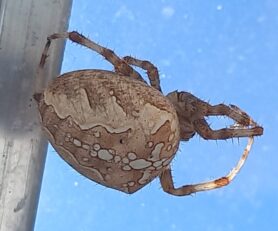

 Nov 27, 2023
 Sep 30, 2023
 Pontefract, west yorkshire,