Login
Login Register
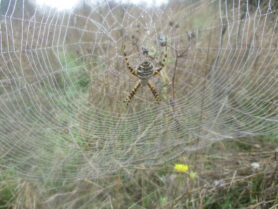
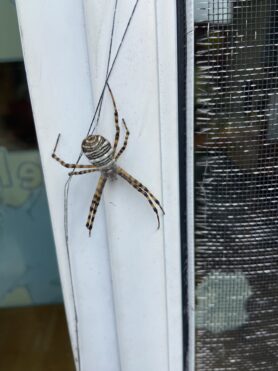
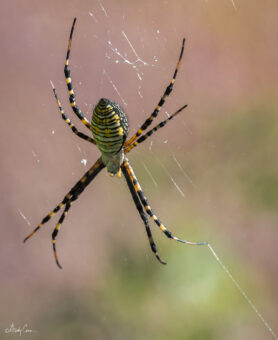
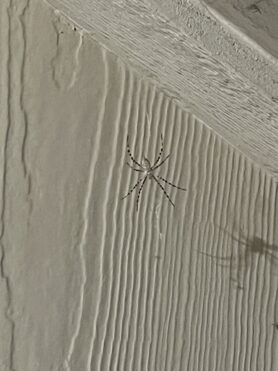
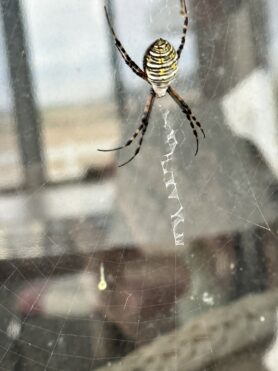
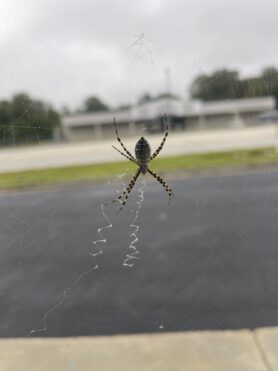
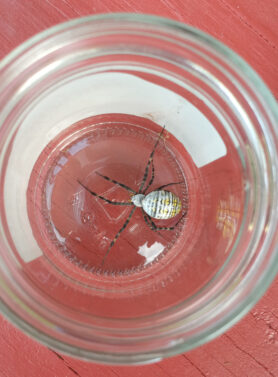
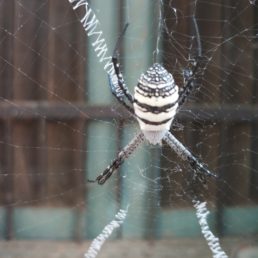
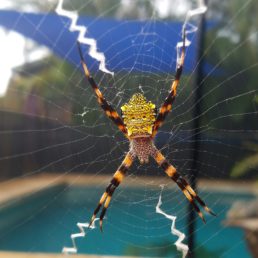
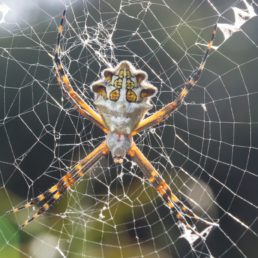
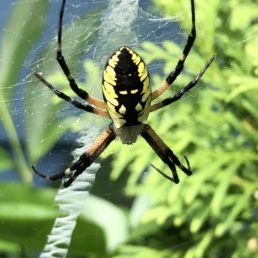
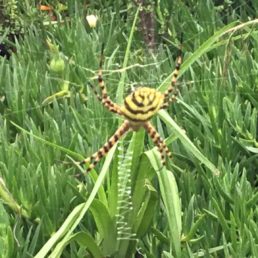
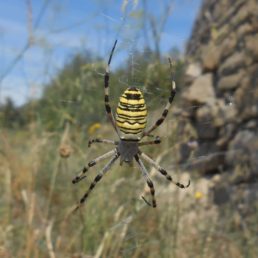
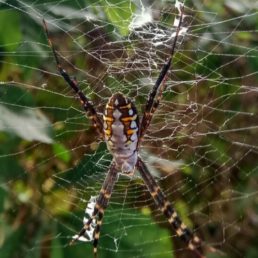
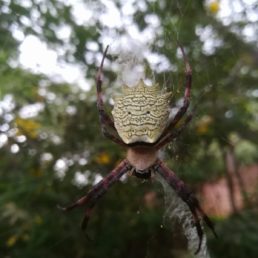
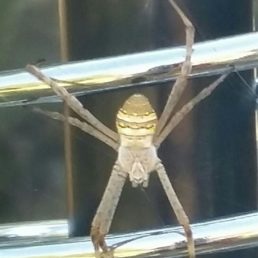
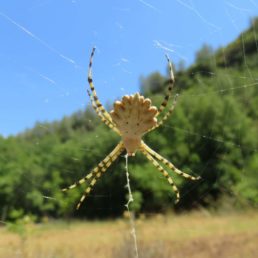
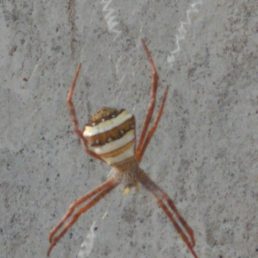
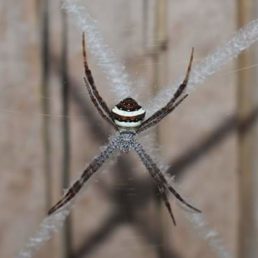
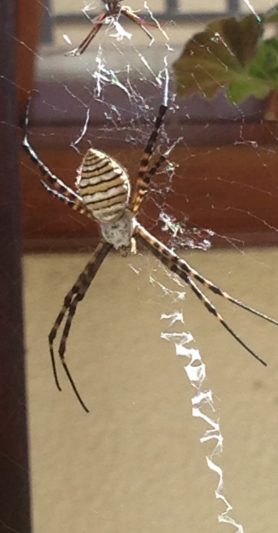 The spider species Argiope trifasciata, commonly known as Banded Garden Spider, belongs to the genus Argiope, in the family Araneidae. Argiope trifasciata spiders have been sighted
 Taxonomic Hierarchy
- Kingdom: Animalia
- Phylum: Arthropoda
- Class: Arachnida
- Order: Araneae
- Suborder: Araneomorphae
- Family: Araneidae
- Genus: Argiope
- Species: Argiope trifasciata
Common Name (AAS )
)
Banded Garden Spider
Other Common Names
Banded Argiope, Garden Spider, Orb-weaver, Whitebacked Garden Spider (ESA common name)
Author
Petrus Forskål, 1775
Primary Colors
Sightings Overview
There have been 64 confirmed sightings of Argiope trifasciata (Banded Garden Spider), with the most recent sighting submitted on December 18, 2023 by Spider ID member allenyap1. The detailed statistics below may not utilize the complete dataset of 64 sightings because of certain Argiope trifasciata sightings reporting incomplete data.
- Web: 73% of the time, Argiope trifasciata spiders are sighted in a spider web (Sample size: 64)
- Sex: 17 female and 3 male.
- Environment: Argiope trifasciata has been sighted 76 times outdoors, and 6 times indoors.
- Outdoors: Man-made structure (19). On flower (6). Low foliage (30). Ground layer (6). Under rock or debris (1). Freshwater river, lake, stream (4). Saltwater (1). Open field, pasture, grassland (8). Desert area (1).
Location and Range
Argiope trifasciata (Banded Garden Spider) has been sighted in the following countries: Australia, Canada, Cyprus, Israel, Mexico, Portugal, Puerto Rico, South Africa, Spain, United States.
Argiope trifasciata has also been sighted in the following states: Arizona, California, Colorado, Connecticut, Florida, Georgia, Idaho, Illinois, Indiana, Maine, Missouri, Nevada, New Hampshire, North Carolina, North Dakota, Ohio, Pennsylvania, South Carolina, Texas, Utah, Virginia, Washington, West Virginia.
Seasonality
Argiope trifasciata has been primarily sighted during the month of October.
- January: 2
- February: 2
- March: 5
- April: 5
- May: 3
- June:
- July:
- August: 8
- September: 13
- October: 18
- November: 1
- December: 7
Additional Remarks
- This spider is similar in size, shape, color, and pattern to the Palearctic species Argiope bruennichi, which is not yet known to occur in North America (though we’re aware of at least one possible sighting in the state of Alaska, which was never confirmed).
- Egg sac is about 10-18mm in diameter and shaped like a kettledrum, flat on one surface and rounded on the other; covered in tough, brown, papery silk and suspended amid tangled vegetation at periphery of web.
- Females might lay 3 or 4 egg sacs. The spiderlings overwinter inside the sac and emerge in spring.


 Dec 18, 2023
 Dec 17, 2023
 Manhattan Beach,